STUDENT LOANS SENATE BILL 2026: LATEST UPDATES, PROPOSED CHANGES, AND WHAT BORROWERS NEED TO KNOW
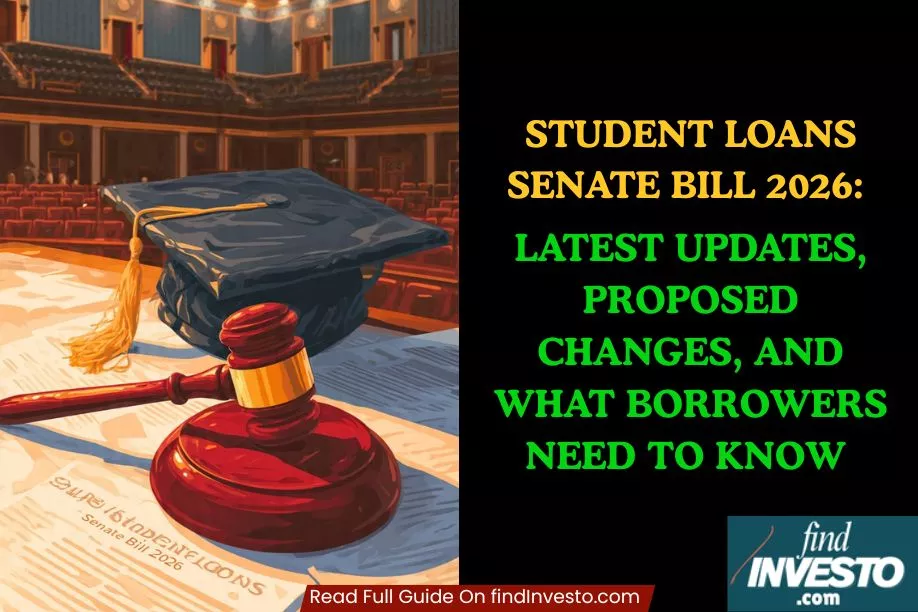
Student Loans Senate Bill 2026: Latest updates, proposed changes, and what borrowers need to know ,loan forgiveness rules, borrowing limits.
1. Introduction
Student loans affect millions of Americans every year. Because of that, any new proposal from the Senate can quickly become a major topic of discussion among students, parents, colleges, and borrowers.
Recently, lawmakers introduced new student loan legislation that could change how people borrow money for college, repay their loans, and qualify for certain forgiveness programs.
If you have federal student loans—or plan to attend college in the future—you may be wondering what these changes mean for you.
This guide breaks everything down in simple language so you can understand the proposed student loans Senate bill, how it could affect borrowers, and what steps you may need to take if the legislation moves forward.
1.1 What Is the Student Loans Senate Bill?
A Bill That Could Reshape Student Borrowing
The student loans Senate bill is a proposed piece of legislation that would make significant changes to federal student loan programs.
In simple terms, lawmakers are discussing new rules for how students borrow money, how repayment plans work, and how much financial assistance may be available in the future.
Because the bill is still part of the legislative process, not every proposal is guaranteed to become law. However, the changes being discussed could affect millions of current and future borrowers if approved.
Think of it this way:
If student loans are the rulebook for borrowing money for college, this bill aims to rewrite parts of that rulebook.
For example, some proposals could:
- Change borrowing limits for students
- Modify repayment plans
- Adjust forgiveness programs
- Create new requirements for future borrowers
- Impact Parent PLUS and graduate student loans
That is why many borrowers are paying close attention to the latest developments.
1.2 Why Is This Bill Getting So Much Attention?
Why Borrowers Are Watching Closely
Student loan debt remains one of the biggest financial challenges facing many Americans.
For some borrowers, monthly payments can continue for years after graduation.
Because of this, any proposed changes to student loan programs naturally attract public attention.
Many students are asking important questions such as:
- Will my monthly payment increase?
- Will forgiveness programs change?
- Can I still borrow enough money for college?
- What happens to my current repayment plan?
- Will graduate students face new borrowing restrictions?
These concerns are understandable.
Imagine a medical student who expects to borrow a large amount for professional school. If borrowing limits change, that student may need to explore other funding options.
Similarly, a parent using a Parent PLUS Loan may want to know whether future borrowing limits could affect their family’s education plans.
The bill has gained attention because it could directly influence financial decisions that many families are making right now.
1.3 Who Could Be Affected by the Proposed Changes?
The Groups Most Likely to Feel the Impact
One of the biggest misconceptions is that only current student loan borrowers need to pay attention.
In reality, several groups could be affected if the legislation becomes law.
These may include:
- Current federal student loan borrowers
- Future college students
- Graduate and professional students
- Parents using Parent PLUS Loans
- Families planning for college expenses
- Borrowers enrolled in income-driven repayment plans
- Individuals pursuing loan forgiveness programs
For example, a student starting college next year may face different borrowing rules than a student who borrowed under previous regulations.
Likewise, someone currently enrolled in a repayment program may want to understand whether any future changes could affect their payment structure.
Understanding who may be impacted is the first step toward making informed financial decisions.
1.4 Quick Summary of the Most Important Updates
What You Need to Know Right Away
While the details continue to evolve, several major topics are receiving the most attention.
Current discussions surrounding the student loans Senate bill include:
- Changes to federal borrowing limits
- Reforms to repayment plans
- Updates affecting graduate student loans
- Possible changes to Parent PLUS Loans
- Adjustments to loan forgiveness programs
- New borrower protections and requirements
It is important to remember that proposed legislation can change during the legislative process. Some provisions may be revised, expanded, or removed before becoming law.
For that reason, borrowers should rely on official updates and stay informed as new developments emerge.
In the following sections, we will take a closer look at each proposed change, explain how it could affect different borrowers, and discuss what actions students and families may want to consider.
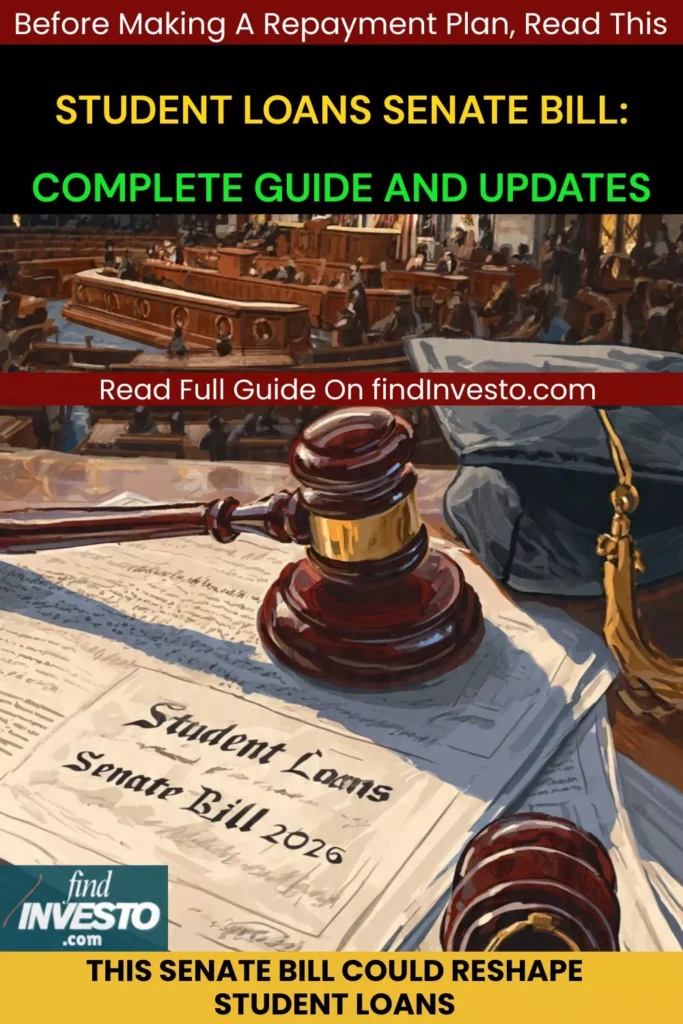
2. Understanding the Student Loans Senate Bill
Before looking at specific changes, it helps to understand what this bill is trying to accomplish and why lawmakers introduced it in the first place.
Many borrowers jump straight into discussions about repayment plans, borrowing limits, or loan forgiveness.
However, understanding the bigger picture makes it much easier to follow the proposed changes and their potential impact.
Let’s break it down in simple terms.
2.1 What Is the Purpose of the Bill?
The Main Goal Behind the Changes
At its core, the student loans Senate bill aims to reform parts of the federal student loan system.
Lawmakers supporting the proposal argue that the current system has become too complicated for many borrowers to understand.
Over the years, multiple repayment plans, forgiveness programs, and loan options have been introduced. While these programs provide important benefits, they have also created confusion for some students and families.
The proposed legislation attempts to simplify certain parts of the system while changing how future borrowing and repayment work.
In simple words, the bill is designed to answer questions such as:
- How much should students be allowed to borrow?
- How should borrowers repay their loans?
- Which forgiveness programs should remain available?
- How can the government manage student loan costs more effectively?
For example, imagine a borrower trying to choose between several different repayment plans.
Many borrowers find the process overwhelming. Some lawmakers believe a simplified structure could make it easier for borrowers to understand their options. Whether the proposed changes will achieve that goal remains a topic of debate.
2.2 Why Was the Legislation Introduced?
The Challenges Lawmakers Want to Address
Student loan debt has grown significantly over the past several decades. As college costs increased, many students relied on federal loans to help pay for tuition, housing, books, and other education expenses.
Today, millions of Americans carry student loan debt.
This has led lawmakers, education experts, universities, and borrower advocacy groups to discuss whether changes are needed.
Supporters of the bill often point to concerns such as:
- Rising student loan balances
- Increasing federal education costs
- Complex repayment programs
- Long-term borrower debt
- Accountability within higher education
For example, a student attending graduate school may borrow a substantial amount through federal programs.
Some lawmakers believe borrowing limits should be adjusted to reduce future debt burdens. Others argue that limiting borrowing could make higher education less accessible for certain students.
This ongoing debate is one reason the legislation has received so much attention.
2.3 Which Federal Student Aid Programs Could Be Affected?
Programs Borrowers Should Know About
One reason this bill is important is that it could affect several major federal student aid programs. These programs help students pay for college and manage repayment after graduation.
Depending on the final version of the legislation, changes could impact areas such as:
- Federal Direct Loans
- Graduate student loan programs
- Parent PLUS Loans
- Income-driven repayment plans
- Student loan forgiveness programs
- Future repayment assistance options
For many borrowers, these programs play a major role in financing their education.
Consider a parent helping their child attend college through a Parent PLUS Loan. If borrowing rules change, that family may need to explore additional financial planning strategies.
Similarly, graduate students may pay close attention to proposals involving federal graduate loan programs because those loans often help cover advanced degree costs.
The specific impact depends on the final legislation, which is why borrowers should continue monitoring official updates.
2.4 How Does the Bill Fit Into Higher Education Reform?
Part of a Bigger Conversation
The student loans Senate bill is not just about loans. It is part of a larger national discussion about college affordability and the future of higher education.
For years, policymakers have debated important questions such as:
- Why is college becoming more expensive?
- How much debt is too much debt?
- Should borrowing limits be adjusted?
- How can repayment become more manageable?
- What role should taxpayers play in funding higher education?
The current legislation represents one approach to addressing these concerns. Supporters believe the proposed reforms could create a more sustainable student loan system. Critics argue that some changes could make it harder for certain students to finance their education.
For example, a future medical student may view borrowing limits differently than someone attending a lower-cost community college.
Because students have different financial needs, opinions about the bill often vary depending on individual circumstances. Understanding this broader context helps explain why the student loans Senate bill has become such an important topic for borrowers, families, universities, and policymakers across the country.
3. Latest Student Loan Senate Bill Updates
Keeping track of student loan legislation can feel overwhelming. Bills move slowly, votes happen at different times, and proposals can change quickly.
In this section, we’ll break down the latest updates in simple terms so you know what’s happening right now and what it could mean for borrowers like you.
3.1 Current Status of the Bill
Where the Bill Stands Today
As of now, the student loans Senate bill is still being debated in the Senate.
This means that while lawmakers have introduced proposals and discussed changes, nothing has been finalized yet. Think of it like a draft of a play: the actors are rehearsing, and the script may still change before opening night.
Borrowers should remember that no changes are official until the bill passes both chambers of Congress and is signed into law.
3.2 Has the Senate Passed the Student Loan Bill?
Understanding the Senate Vote Process
At this stage, the bill has not yet been passed by the Senate.
Senators are reviewing the proposal, asking questions, and sometimes suggesting amendments.
This is normal in the legislative process. Sometimes bills change dramatically between introduction and final approval.
For example, a provision that caps Parent PLUS loans might be adjusted, delayed, or even removed based on discussions in the Senate.
3.3 Recent Senate Votes and Legislative Activity
Key Actions You Should Know
Even though the full vote hasn’t happened, lawmakers have taken several important preliminary steps:
- Committees have reviewed the bill’s provisions.
- Senators have debated key changes like repayment plans and forgiveness programs.
- Amendments are being proposed to address concerns from universities, borrowers, and financial aid organizations.
For example, some amendments aim to increase borrowing limits for graduate students while capping undergraduate debt. Others focus on simplifying repayment plans for those struggling to pay back loans.
3.4 What Happens Next in the Legislative Process?
Steps Before the Bill Could Become Law
Once the Senate debate concludes, the bill will go through several important steps:
- Senate Vote: Senators vote on the final version.
- House Review: If it passes the Senate, the bill moves to the House of Representatives.
- Reconciliation: Any differences between the Senate and House versions are resolved.
- Presidential Approval: Finally, the President must sign the bill into law.
This means that even if the Senate approves it soon, it could take several months before any changes actually take effect.
3.5 Why Borrowers Should Stay Updated
Don’t Wait Until It’s Too Late
Even though the bill is not yet law, staying informed can help you plan your finances and make smart decisions.
For example:
- A graduate student applying for loans next year may want to understand potential new borrowing limits.
- A parent currently using a Parent PLUS loan could adjust their repayment plan before changes take effect.
- Anyone in an income-driven repayment plan might want to track proposed reforms to see if their monthly payments could change.
By staying updated, borrowers can avoid surprises and take advantage of any new protections or benefits the bill might offer.
4. Key Changes Proposed in the Student Loans Senate Bill
The student loans Senate bill includes several major changes that could affect how you borrow, repay, and even qualify for forgiveness.
Understanding these changes now can help you plan your college finances and make smart borrowing decisions.
4.1 Changes to Federal Student Loan Programs
Simplifying Loans for Students
One of the main goals of the bill is to simplify federal student loans.
Right now, there are many types of federal loans, which can be confusing. The bill aims to streamline some of these programs so that borrowers have fewer, clearer options.
For example, a student might only need to choose between a standard federal loan and a new simplified repayment option instead of navigating multiple income-driven plans.
4.2 New Borrowing Limits for Students
How Much Can You Borrow?
The bill proposes new borrowing limits for undergraduate, graduate, and professional students. This means students might not be able to borrow unlimited federal loans, especially for higher-cost programs.
For example, an undergraduate student may have a capped total amount, while a law student could have a different cap tailored to professional degree costs.
4.3 Proposed Changes to Graduate Student Loans
What Graduate Students Should Know
Graduate programs often require larger loans, and the bill may adjust borrowing limits for these students. Some proposals suggest lowering the maximum loan amounts for graduate programs to reduce future debt burdens.
For instance, a student pursuing a Master’s in Education might see slightly lower loan limits than previous years, encouraging careful financial planning.
4.4 Proposed Changes to Parent PLUS Loans
What Parents Need to Consider
Parent PLUS Loans help families cover college costs. The bill may cap these loans, limiting how much parents can borrow for their child’s education. This could affect families who rely heavily on these loans for tuition and other expenses.
For example, a parent planning to borrow $50,000 for a child’s first year may now have a smaller borrowing window.
4.5 Updates to Income-Driven Repayment Plans
Easier and More Predictable Payments
The bill could revamp income-driven repayment plans, making monthly payments simpler and more predictable.
Borrowers with lower incomes may benefit from smaller payments, while high-income borrowers may see slightly higher contributions.
For example, a teacher enrolled in a current income-driven plan might see their monthly payment recalculated under the new rules.
4.6 Proposed Student Loan Forgiveness Reforms
Will Forgiveness Programs Change?
The bill also touches on loan forgiveness programs. While some programs may remain, others could see adjustments to eligibility, timelines, or amounts.
For instance, a public service worker who planned to qualify for forgiveness in 10 years may see minor changes in the timeline or repayment requirements.
4.7 Interest Rate and Repayment Changes
How Payments Might Change
Some proposals include changes to interest rates or how interest accrues on loans. Even small changes can make a difference in how much you pay over time.
For example, a student with a $30,000 loan could save or owe a few hundred dollars more per year depending on rate adjustments.
5. Current Rules vs Proposed Senate Bill Changes
To really understand the impact, it helps to compare current rules with proposed changes side by side. This makes it easier to see what could improve and what might create new challenges.
5.1 Student Loan Program Comparison Table
| Feature | Current System | Senate Bill Proposal |
| Undergraduate Loans | Up to $57,500 total | Potentially capped differently by year |
| Graduate Loans | Higher unlimited amounts | Lowered maximums for some programs |
| Parent PLUS Loans | Full cost of attendance | New borrowing caps |
| Income-Driven Plans | Multiple options | Simplified repayment structure |
| Forgiveness Programs | Existing timelines | Some eligibility and timeline adjustments |
| Interest Rates | Fixed by program | Possible recalculations under new rules |
5.2 Major Differences Borrowers Should Know
- Borrowing Limits: More predictable and capped based on program type.
- Repayment Plans: Fewer options but simpler and easier to manage.
- Forgiveness Programs: Adjustments may require careful planning.
- Parent Loans: Families may need to rethink funding strategies.
5.3 Why This Comparison Matters
Understanding these differences helps borrowers prepare financially.
For example:
- A graduate student planning a $60,000 loan may need to budget more carefully if caps are introduced.
- A parent helping a child with tuition might explore scholarships or savings plans if borrowing limits reduce their PLUS loan options.
Seeing the rules side by side makes it easier to plan ahead and avoid surprises.
5.4 How to Use This Information
Borrowers can:
- Review current loan balances and repayment plans.
- Estimate how changes might affect monthly payments.
- Explore alternative funding sources if limits reduce borrowing capacity.
- Monitor legislative updates for final decisions.
This comparison gives a clear, visual understanding of the practical impact the bill could have on different borrowers, helping families and students plan wisely.
6. How the Senate Bill Could Affect Current Borrowers
Even if you’ve already started repaying your student loans, the Senate bill could impact your financial plan. Understanding these potential changes helps you stay ahead and avoid surprises.
6.1 Impact on Existing Federal Student Loan Borrowers
Could Your Loans Change?
If you currently have federal student loans, some parts of the bill may affect how much you pay, how quickly you repay, or even eligibility for forgiveness.
For example, a borrower enrolled in a traditional 10-year repayment plan might see new options introduced, which could either shorten or extend their repayment timeline.
6.2 What Happens to Current Repayment Plans?
Understanding Your Options
Right now, borrowers can choose from several repayment plans. The bill proposes simplifying these plans, which could mean:
- Merging some plans into one streamlined option
- Adjusting income-based repayment formulas
- Changing payment caps or schedules
For example, a teacher paying $150 a month under an income-driven plan might see their monthly payment recalculated under the new simplified plan, making it easier to manage.
6.3 Will Current Borrowers Be Grandfathered In?
Keeping Your Existing Terms
Some borrowers worry about losing their current plan benefits. The bill may allow existing borrowers to remain in their current repayment structure (grandfathering), while new borrowers follow the updated rules.
For example, a student who borrowed five years ago may continue under the old plan while someone starting next semester follows the new rules.
6.4 How Could Monthly Payments Change?
What You Might Pay Each Month
The bill’s changes to income-driven repayment plans and interest rates could increase or decrease your monthly payment.
For example:
- Lower-income borrowers might see smaller payments, freeing up cash for daily expenses.
- Higher-income borrowers may pay slightly more but still enjoy protections like forgiveness eligibility after a set number of years.
6.5 What Existing Borrowers Should Do Right Now
Simple Steps to Stay Prepared
Even before the bill becomes law, you can take action:
- Review your current loan balances and repayment plan
- Check if you’re enrolled in an income-driven repayment plan
- Track updates from the Department of Education
- Contact your loan servicer if you have questions about potential changes
Being proactive helps you avoid surprises and make smart financial choices.

7. What Happens to SAVE and Other Income-Driven Repayment Plans?
Income-driven repayment plans, including the SAVE plan, are important for borrowers who want manageable monthly payments. The Senate bill may introduce changes that affect how these plans work.
7.1 Does the Bill Affect the SAVE Plan?
Understanding the Potential Changes
The SAVE plan is one of the newer income-driven repayment programs.
If the bill passes, borrowers in SAVE might experience changes to eligibility, payment calculations, or forgiveness timelines.
For example, a graduate student paying $250 a month under SAVE might see their payment recalculated, but still enjoy protections if income remains low.
7.2 Changes to Income-Driven Repayment Programs
Simplifying Payments for Borrowers
The bill aims to streamline income-driven repayment plans, making monthly payments easier to understand. Fewer choices can sometimes be better—less confusion, fewer mistakes, and easier planning.
For example, instead of choosing between five similar plans, borrowers might only need to pick one or two options that fit their income.
7.3 Transition Rules for Current Borrowers
What Happens During the Switch
Borrowers already enrolled in income-driven plans may be automatically transitioned to the new structure, or they might be allowed to stay in their current plan.
For example, a public service worker enrolled in a 20-year repayment plan could either:
- Stay in their current plan, or
- Move to a new simplified plan with similar benefits
It depends on the final legislation and guidance from loan servicers.
7.4 Potential Repayment Assistance Plan (RAP)
A New Option for Some Borrowers
The bill could introduce a Repayment Assistance Plan (RAP).
This plan is designed to:
- Make payments more predictable
- Adjust based on income automatically
- Provide clearer timelines for forgiveness
For example, a teacher or nurse paying off federal loans might have their payments capped at a percentage of income, making budgeting easier.
7.5 Risks of Taking No Action
Why You Should Stay Informed
Even if you don’t change your plan right now, ignoring updates can lead to missed opportunities or confusion later.
For example:
- You might miss deadlines for enrollment in new repayment plans
- You could overlook benefits that reduce monthly payments
- Changes could affect forgiveness eligibility if you don’t track them
Staying informed ensures you make the best decisions for your financial future.
8. Student Loan Forgiveness Under the Senate Bill
Loan forgiveness is one of the biggest concerns for borrowers. Many people wonder if the proposed Senate bill will change how much debt can be forgiven and who qualifies.
Let’s break it down in simple terms so you can see what might change and what it means for you.
8.1 Will Student Loan Forgiveness Change?
Understanding Potential Updates
The bill could adjust existing forgiveness programs.
For example, some borrowers may still qualify for full forgiveness, but timelines or requirements might be slightly different.
Imagine a public service worker planning to qualify for forgiveness after 10 years. Under the new rules, they might need to make payments for a few more months or follow a revised repayment structure before forgiveness kicks in.
8.2 Impact on Public Service Loan Forgiveness (PSLF)
What Public Service Workers Should Know
PSLF is designed for those working in government or non-profit jobs.
The bill may clarify eligibility rules, adjust timelines, or simplify tracking requirements.
For instance, a nurse working in a community clinic could benefit from clearer rules about which payments count toward forgiveness.
This could reduce confusion and make it easier to qualify, but some details are still pending.
8.3 Income-Based Forgiveness Changes
How Income-Driven Forgiveness Might Shift
Income-based forgiveness depends on your earnings and repayment plan.
The Senate bill may update formulas or caps, impacting how much debt can be forgiven after a set number of years.
For example, a teacher with a modest income might continue to pay only a small percentage of their income each month, but the total forgiveness at the end of the term could slightly differ from current plans.
8.4 Forgiveness Eligibility Requirements
Who Qualifies?
Eligibility rules could change slightly.
Some borrowers may need to meet new criteria, like working in certain fields or following specific repayment plans.
For example, someone planning to qualify for forgiveness under an older income-driven plan may need to switch to a new repayment option to remain eligible.
8.5 Potential Long-Term Consequences
What This Means for Borrowers
Even small changes in forgiveness programs can affect financial planning, including:
- How quickly debt is eliminated
- How much is forgiven
- Monthly payment amounts
Being aware of these potential changes helps borrowers plan ahead and make informed decisions.
9. Borrowing Limits Explained
Borrowing limits define how much federal student loan money you can take out. The Senate bill proposes updates to these limits for undergraduates, graduates, and professional students.
Understanding these limits now can help you avoid surprises and plan college costs wisely.
9.1 Undergraduate Borrowing Caps
How Much Can You Borrow?
The bill could cap total undergraduate loans to keep debt manageable.
For example, a student pursuing a 4-year degree might only be able to borrow a certain total amount across all years.
This encourages careful budgeting and may push students to explore scholarships, grants, or part-time work.
9.2 Graduate Student Borrowing Caps
What Graduate Students Should Know
Graduate programs often require larger loans. The bill may set maximum limits to reduce future debt burdens.
For example, a student entering a Master’s program could see a lower maximum loan amount than current rules. This makes financial planning important, especially for professional or high-cost programs.
9.3 Professional Degree Borrowing Limits
Law, Medical, and Other Programs
Professional students often borrow the most money.
The Senate bill could adjust maximum loan amounts for medical, law, and other high-cost programs.
For instance, a law student might need to budget carefully or supplement loans with savings, scholarships, or income while in school.
9.4 Parent PLUS Loan Caps
How Parents Could Be Affected
Parent PLUS loans allow families to cover college costs.
The bill may limit how much parents can borrow, impacting those funding tuition, room, and board.
For example, a parent planning to borrow $60,000 for a child’s college year might see the maximum reduced, requiring additional savings or alternative funding.
9.5 Lifetime Borrowing Limits
Keeping Debt in Check
The bill may also set lifetime borrowing limits, which cap the total federal loans a student can take over their academic career.
This is designed to prevent unmanageable debt levels while still allowing access to federal funds.
For example, a student taking multiple degrees may need to plan carefully so they don’t exceed the total lifetime cap.
9.6 Why Borrowing Limits Matter
Planning for the Future
Knowing these limits helps you plan your finances, avoid surprise debt, and make informed decisions about college programs.
For example, if a student knows their borrowing cap is lower than tuition, they might apply for scholarships, grants, or work-study programs to cover the difference.
Being proactive ensures you borrow responsibly and avoid unnecessary financial stress.
10. How the Senate Bill Could Affect Future Students
If you’re planning to attend college in the coming years, the proposed Senate bill could influence how you pay for your education.
While current borrowers are paying attention to repayment changes, future students should focus on borrowing limits, loan availability, and college funding options.
Let’s look at how different groups of students could be affected.
10.1 Impact on Undergraduate Students
A Different Borrowing Experience
Undergraduate students may see some of the biggest changes if new borrowing limits are introduced.
The goal behind these limits is to help students avoid taking on more debt than they can reasonably repay after graduation.
For example, a freshman attending a public university may not be able to borrow as much federal loan money as students could under previous rules.
While this could help reduce future debt, it may also encourage students to explore scholarships, grants, and work-study opportunities.
The key takeaway is simple:
Future students may need to plan their finances earlier than previous generations.
10.2 Impact on Graduate Students
Higher Education Could Require More Planning
Graduate students often rely on federal loans to cover tuition, housing, books, and living expenses.
If borrowing limits are reduced, some students may need additional financial resources to complete their degrees.
For example, a student pursuing a master’s degree in counseling may discover that federal loans cover only part of their educational costs.
This doesn’t necessarily mean graduate school becomes impossible.
It simply means students may need to combine federal aid with savings, employer assistance, scholarships, or other funding sources.
10.3 Impact on Medical Students
One of the Most Affected Groups
Medical school is expensive.
Many future doctors borrow large amounts of money to complete their education and training.
If federal borrowing limits are adjusted, medical students could face new financial challenges.
For example, a student attending medical school may currently expect federal loans to cover most educational expenses.
Under new rules, that student might need to secure additional funding or carefully manage expenses throughout their program.
Because medical education often lasts many years, even small policy changes can have a significant impact.
10.4 Impact on Law Students
Planning Ahead Becomes More Important
Law students frequently rely on federal loans throughout law school.
If loan caps are introduced or adjusted, future attorneys may need to reconsider how they finance their education.
For example, a law student attending a private university could face higher out-of-pocket expenses if federal loan availability changes.
This may encourage students to compare schools more carefully and consider total education costs before enrolling.
10.5 Impact on MBA Students
Business Students May Need New Strategies
MBA programs often represent a major financial investment.
Many students pursue these degrees to increase future earnings and career opportunities.
If borrowing limits change, MBA candidates may need to explore multiple funding options.
For example, an employee pursuing an MBA while working may decide to use employer tuition assistance, scholarships, or personal savings to reduce reliance on loans.
The good news is that many business schools already offer alternative funding opportunities.
10.6 Impact on Community College Students
Affordable Education May Become Even More Attractive
Community colleges already provide one of the most affordable pathways to higher education.
If borrowing limits become stricter, community colleges may become even more appealing to students looking to reduce education costs.
For example, a student could complete their first two years at a community college and then transfer to a university later.
This strategy can significantly reduce the amount of money borrowed.
Many financial aid experts already recommend this approach for students focused on minimizing debt.
10.7 Impact on Pell Grant Recipients
Important Questions for Low-Income Students
Pell Grants help millions of students pay for college without borrowing money.
Because grants do not need to be repaid, they are often the most valuable form of financial aid.
Students receiving Pell Grants should pay close attention to any future changes involving federal aid programs.
For example, a low-income student may depend on both Pell Grants and federal loans to attend college.
If borrowing rules change, understanding all available aid options becomes even more important.
Fortunately, grants, scholarships, and work-study programs can help fill funding gaps for many students.
11. Real Examples of How the Senate Bill Could Affect Different Borrowers
Legislation can feel confusing when it’s discussed in technical language.
The easiest way to understand potential changes is through real-world examples.
The following scenarios are hypothetical, but they show how different borrowers could be affected if the proposed changes become law.
11.1 Example: Undergraduate Student Borrower
Meet Sarah
Sarah is a first-year college student studying biology.
She plans to borrow federal student loans throughout her four-year degree.
If new borrowing caps are introduced, Sarah may need to rely more on scholarships, part-time work, or family contributions to cover expenses.
The benefit is that she could graduate with less debt.
The challenge is finding alternative ways to pay for school.
11.2 Example: Graduate Student Borrower
Meet Michael
Michael is pursuing a master’s degree in public administration.
He expected federal loans to cover most of his educational costs.
If borrowing limits are reduced, he may need to adjust his budget or seek additional funding sources.
This could include assistantships, scholarships, or employer reimbursement programs.
11.3 Example: Medical School Student
Meet Jennifer
Jennifer dreams of becoming a physician. Medical school tuition and living expenses are substantial.
Under proposed borrowing limits, Jennifer may need a more detailed financial plan before beginning medical school.
She might explore institutional aid, grants, scholarships, or other financial assistance programs. Planning early becomes even more important in this situation.
11.4 Example: Parent PLUS Borrower
Meet David
David is helping his daughter pay for college using Parent PLUS Loans.
If the Senate bill introduces new borrowing caps, David may not be able to borrow as much as originally planned.
As a result, the family may explore additional scholarships, payment plans, or college savings accounts.
This example highlights why families should stay informed about proposed policy changes.
11.5 Example: Low-Income Family
Meet Emily
Emily comes from a low-income household and receives Pell Grant assistance.
She also depends on federal loans to cover remaining education costs.
If borrowing rules change, Emily may need to maximize every available source of aid, including grants, scholarships, and work-study opportunities.
Many students in similar situations already combine multiple forms of financial assistance to make college affordable.
11.6 Example: Public Service Worker
Meet Carlos
Carlos works for a nonprofit organization and plans to qualify for Public Service Loan Forgiveness (PSLF).
He wants to know whether proposed changes could affect his forgiveness timeline.
If forgiveness requirements are adjusted, Carlos may need to carefully track payments and stay updated on new program rules.
For borrowers pursuing forgiveness programs, staying informed is one of the smartest financial decisions they can make.
The Bigger Lesson
Every borrower’s situation is different.
The impact of the student loans Senate bill will depend on factors such as:
- Income level
- Degree program
- Loan balance
- Career path
- Repayment plan
- Family financial circumstances
That is why understanding the details of the legislation matters.
The more informed you are today, the easier it becomes to make confident financial decisions tomorrow.
12. Winners and Losers Under the Student Loans Senate Bill
Whenever Congress proposes major changes to student loans, one important question always comes up:
Who benefits and who could be affected the most?
The reality is that not every borrower will experience the same outcome. Some students may find it easier to manage debt under the proposed changes. Others may face new challenges when paying for college.
Let’s look at both sides.
12.1 Borrowers Who May Benefit
Good News for Some Students
Supporters of the bill argue that several groups could benefit from the proposed changes.
In particular, borrowers who struggle with complex repayment options may appreciate a simpler system.
For example, a borrower who feels overwhelmed by multiple income-driven repayment plans may find it easier to navigate a streamlined repayment program.
Some students may also benefit from clearer rules and repayment expectations.
When borrowers understand their obligations from the beginning, it becomes easier to plan for the future.
12.2 Borrowers Who Could Face Higher Costs
A Possible Challenge for Some Families
Not every borrower may benefit equally.
Some students who rely heavily on federal loans could face new financial challenges if borrowing limits are reduced.
For example, a student attending a high-cost private university may discover that federal loans no longer cover the same percentage of educational expenses.
In that situation, additional funding sources may become necessary.
Families who expected to finance college primarily through federal loans may need to adjust their plans.
12.3 Families That May Need Additional Funding
Preparing for Potential Gaps
Some families may find themselves searching for additional ways to cover college costs.
This does not necessarily mean college becomes unaffordable.
However, it may require more planning than before.
For example, a family that planned to borrow through Parent PLUS Loans may need to supplement education costs with:
- Scholarships
- College savings plans
- Monthly tuition payment programs
- Employer tuition benefits
- State financial aid programs
The earlier families begin planning, the more options they typically have.
12.4 Students Most Likely to Feel the Impact
Higher-Cost Programs May Face More Pressure
Students enrolled in expensive academic programs could experience a larger impact than those attending lower-cost schools.
This may include students pursuing:
- Medical degrees
- Law degrees
- Dental programs
- Professional graduate programs
For example, a future physician may require significantly more funding than a student attending a local community college.
Because educational costs vary widely, the effect of borrowing limits will likely vary as well.
12.5 First-Generation College Students and the Proposed Changes
Why This Group Deserves Attention
First-generation college students often face unique financial challenges.
Many are the first members of their families to navigate financial aid applications, federal loans, and college financing.
If borrowing rules change, these students may need additional guidance and support.
For example, a first-generation student may not have family members who can explain loan options or repayment plans.
This makes financial literacy resources, counseling, and aid offices even more important.
Understanding available options can help students make confident decisions about their education.
12.6 The Reality: Every Borrower Is Different
There Is No One-Size-Fits-All Answer
One of the biggest mistakes borrowers make is assuming that a policy change affects everyone equally.
In reality, the impact depends on factors such as:
- Income level
- School type
- Degree program
- Loan amount
- Career goals
- Family financial situation
That is why it is important to focus on your own circumstances rather than relying solely on headlines or social media discussions.
13. Will More Students Need Private Loans?
One of the most talked-about concerns surrounding the Senate bill is whether some students could be pushed toward private student loans.
This question matters because federal loans and private loans work very differently.
Understanding the difference can help students make smarter borrowing decisions.
13.1 Why Borrowing Caps Matter
A Small Change Can Create a Big Impact
Borrowing limits may sound like a simple policy adjustment.
However, even small changes can affect how students pay for college.
Imagine a student who needs $40,000 to complete a year of graduate school.
If federal loans only cover part of that amount, the student must find another way to pay the remaining balance.
This is where concerns about private lending often arise.
13.2 Could Students Be Forced Into Private Lending?
The Question Many Families Are Asking
Some education experts worry that lower federal borrowing limits could increase demand for private loans.
This does not mean every student will need a private loan.
Many students may still qualify for scholarships, grants, employer assistance, or family support.
However, students in high-cost programs could face difficult decisions if federal funding no longer covers all educational expenses.
For example, a medical student with substantial tuition costs may need to consider additional financing options.
13.3 Federal Loans vs Private Student Loans
Understanding the Important Differences
Federal loans generally include protections that private loans often do not offer.
Some federal loan benefits may include:
- Income-driven repayment plans
- Loan forgiveness programs
- Deferment options
- Forbearance protections
- Flexible repayment assistance
Private loans are offered by banks, credit unions, and private lenders.
The terms can vary significantly depending on the lender and the borrower’s credit profile.
This is why many financial aid experts recommend exhausting federal aid options before considering private loans.
13.4 Risks Associated With Private Loans
What Borrowers Should Know
Private loans can help fill funding gaps, but they also carry potential risks.
These may include:
- Higher interest rates
- Fewer repayment protections
- Limited forgiveness opportunities
- Stricter qualification requirements
For example, two students may borrow the same amount of money.
The student with federal loans may have access to income-based repayment options.
The student with private loans may have fewer options if financial hardship occurs.
That doesn’t mean private loans are always a bad choice.
It simply means borrowers should fully understand the terms before signing an agreement.
13.5 What Borrowers Should Consider Before Using Private Loans
Smart Questions to Ask First
Before applying for a private student loan, it may be helpful to ask:
- Have I exhausted all federal aid options?
- Am I eligible for scholarships or grants?
- Can I reduce educational expenses?
- What interest rate will I receive?
- What repayment protections are available?
Taking time to compare options can prevent costly mistakes later.
13.6 Practical Ways to Reduce Borrowing
Strategies That Can Save Thousands
Regardless of what happens with the Senate bill, reducing debt whenever possible is usually beneficial.
Some practical strategies include:
- Applying for scholarships regularly
- Exploring work-study opportunities
- Attending a lower-cost school
- Starting at a community college
- Using employer tuition assistance programs
- Living at home when possible
Even small savings can significantly reduce future loan payments.
13.7 The Bottom Line
Focus on Smart Borrowing, Not Fear
The discussion around private loans often creates anxiety for students and families.
While some borrowers could face additional funding challenges under the proposed legislation, there are still many financial aid options available.
The most important step is staying informed.
Understanding your borrowing options today can help you make stronger financial decisions tomorrow.
14. Could the Senate Bill Affect College Costs?
When most people hear about student loan reform, they immediately think about monthly payments and loan forgiveness.
However, there is another important question that often gets overlooked:
Could these changes affect the actual cost of attending college?
This is one of the biggest debates surrounding the proposed Senate bill.
Supporters and critics have very different views on what could happen.
Let’s look at both sides.
14.1 Will Colleges Reduce Tuition?
The Question Everyone Wants Answered
One argument behind student loan reform is that easier access to borrowing may contribute to rising college costs.
Some policymakers believe that when students can borrow larger amounts, colleges may have less pressure to control tuition increases.
Under this theory, limiting borrowing could encourage schools to become more cost-conscious.
For example, if fewer students can access unlimited borrowing, colleges may face greater pressure to keep tuition affordable.
However, predicting how colleges will respond is not simple.
Tuition prices are influenced by many factors beyond student loans.
14.2 Why College Costs Keep Rising
The Bigger Financial Picture
College tuition has increased significantly over the past several decades.
There isn’t one single reason for this trend.
Several factors contribute to rising costs, including:
- Campus expansion projects
- Technology investments
- Student support services
- Administrative expenses
- Faculty and staff salaries
- Research programs
For example, many universities invest heavily in modern facilities, student wellness programs, and technology upgrades.
While these improvements can benefit students, they can also increase operating costs.
As a result, tuition often rises over time.
14.3 Supporters’ View on College Affordability
A More Sustainable System?
Supporters of the Senate bill argue that borrowing limits could help create a healthier higher education system.
Their reasoning is straightforward.
If students borrow less money, schools may have stronger incentives to evaluate costs and improve efficiency.
Supporters believe this could eventually help slow tuition growth.
For example, if universities know students have stricter borrowing limits, they may focus more on affordability and value.
Advocates of this approach often describe it as encouraging financial responsibility throughout the education system.
14.4 Critics’ View on College Costs
Could Students Face New Challenges?
Critics see the issue differently. They argue that reducing federal loan access does not automatically lower tuition.
Instead, they worry that students may struggle to afford college if federal funding becomes harder to obtain.
For example, a student accepted into a high-cost graduate program may still face the same tuition bill.
The difference is that federal loans may no longer cover as much of the expense. Critics believe this could create additional barriers for some students, especially those from lower-income backgrounds.
This concern is one reason the bill continues to generate debate.
14.5 What Universities Are Saying
Schools Are Watching Closely
Colleges and universities are paying close attention to the proposed legislation.
Many institutions are reviewing how borrowing changes could affect student enrollment and financial aid planning.
Some universities worry that reduced borrowing capacity could make certain programs less accessible.
Others believe the changes could encourage more thoughtful financial planning among students.
The reality is that higher education institutions have different perspectives depending on:
- Tuition costs
- Student demographics
- Program offerings
- Financial aid resources
As the legislative process continues, universities will likely remain active participants in the discussion.
14.6 What This Means for Students
Focus on What You Can Control
Regardless of what happens with the bill, students should focus on making informed financial decisions.
Some practical steps include:
- Comparing college costs carefully
- Applying for scholarships early
- Exploring grant opportunities
- Understanding total borrowing needs
- Reviewing expected future earnings
For example, comparing the total cost of attendance between two schools could save thousands of dollars over the course of a degree.
The goal isn’t simply to borrow less.
The goal is to borrow wisely.
15. Reactions From Congress, Universities, and Student Organizations
Student loan reform affects millions of people.
Because of that, it is not surprising that different groups have different opinions about the Senate bill.
Some believe the proposed changes will improve the system.
Others worry about unintended consequences.
Understanding these viewpoints can help borrowers better understand the ongoing debate.
15.1 Arguments From Senate Supporters
Why Some Lawmakers Support the Bill
Supporters believe the current student loan system needs reform.
They often point to concerns such as:
- Rising student debt
- Complex repayment programs
- Long-term taxpayer costs
- Increasing borrowing levels
According to supporters, simplifying repayment plans and setting clearer borrowing limits could make the system easier to manage.
For example, a borrower who currently feels overwhelmed by multiple repayment choices may benefit from a streamlined structure.
Supporters often frame the bill as an effort to improve long-term sustainability.
15.2 Arguments From Senate Opponents
Why Some Lawmakers Have Concerns
Not everyone agrees with the proposed changes.
Opponents worry that some students could lose access to affordable financing options.
Their concerns often focus on:
- Reduced borrowing flexibility
- Graduate student funding challenges
- Potential reliance on private loans
- Access to higher education
For example, a future medical student may require significant educational funding.
Opponents argue that borrowing limits could make financing advanced degrees more difficult for some students.
These concerns continue to shape legislative discussions.
15.3 Concerns Raised by Universities
Schools Want More Clarity
Many colleges and universities are still evaluating how the proposed changes could affect students.
One major concern is whether reduced borrowing limits could impact enrollment.
For example, if students struggle to secure funding, some universities worry that fewer students may pursue certain programs.
Graduate and professional schools are particularly interested in understanding how future borrowing policies could affect their students.
Because the details continue to evolve, many institutions are waiting for additional guidance.
15.4 Student Borrower Advocacy Group Reactions
Protecting Borrowers’ Interests
Several student advocacy organizations have expressed concerns about how the bill could affect borrowers.
These groups often focus on issues such as:
- College affordability
- Access to higher education
- Loan repayment protections
- Borrower rights
Advocates argue that student loan policies should balance financial responsibility with educational opportunity.
For example, they may support reforms that simplify repayment while opposing measures that reduce access to federal aid.
Their goal is generally to ensure students can pursue education without taking on unmanageable debt.
15.5 Financial Aid Expert Opinions
What Industry Experts Are Watching
Financial aid professionals are carefully analyzing the proposed changes.
Many experts are focusing on questions such as:
- How will borrowers transition into new repayment plans?
- Will students need more private loans?
- How will borrowing limits affect graduate education?
- What impact could the changes have on future enrollment?
Most experts agree on one thing:
Students and families should stay informed and avoid making decisions based solely on headlines.
Understanding the details is critical.
15.6 Why These Different Opinions Matter
Looking Beyond Politics
It is easy to view student loan legislation through a political lens.
However, borrowers often benefit most when they understand the practical impact rather than focusing only on political debates.
For example, whether someone supports or opposes the bill, they still need answers to important questions:
- How much can I borrow?
- What will my monthly payment be?
- Will I qualify for forgiveness?
- What happens if I need additional funding?
These are the questions that matter most for students and families making real financial decisions.
The Bottom Line
The Senate bill has sparked significant discussion among lawmakers, universities, financial aid professionals, and student advocacy groups.
Each group brings a different perspective to the conversation.
As a borrower, the most valuable approach is to stay informed, understand your options, and focus on how any potential changes may affect your personal situation.
The better informed you are today, the better prepared you’ll be for whatever changes may come tomorrow.
16. Student Loan Senate Bill Timeline
One of the most common questions borrowers ask is:
“When will these changes actually happen?”
That is a fair question.
Many people hear about proposed legislation and assume new rules will take effect immediately.
In reality, major policy changes often take months or even years to fully roll out.
Understanding the timeline can help borrowers stay informed and avoid unnecessary stress.
16.1 Key Legislative Milestones
Understanding the Journey
Before any student loan reform becomes law, it must move through several important stages.
These typically include:
- Bill introduction
- Committee review
- Senate debate
- Senate vote
- House consideration
- Final approval
- Presidential signature
Each stage can take time.
Some bills move quickly.
Others remain under discussion for months before any final decision is made.
That is why borrowers should pay attention to official updates rather than relying on rumors or social media speculation.
16.2 Proposed Effective Dates
When Could Changes Start?
Even if the bill becomes law, most provisions would not take effect overnight.
Government agencies usually need time to update systems, create guidance, and communicate new rules.
For example, loan servicers may need several months to update repayment programs and borrower accounts.
As a result, implementation dates are often scheduled well after legislation is approved.
This gives students, families, schools, and loan servicers time to prepare.
16.3 Changes Expected in 2026
The First Phase of Reform
If the legislation moves forward, some provisions could begin during the early implementation period.
These initial changes may focus on:
- Administrative updates
- Repayment plan adjustments
- Program transition guidance
- Borrower communication efforts
For example, borrowers may receive notices explaining how upcoming changes could affect their loans.
The goal is to make the transition as smooth as possible.
16.4 Changes Expected in 2027
More Significant Changes May Arrive
The second phase could involve larger policy adjustments.
This may include:
- New repayment structures
- Updated eligibility requirements
- Revised borrowing limits
- Program transitions
For example, students starting college during this period may experience different borrowing rules than students who enrolled years earlier.
That is why future borrowers should pay close attention to implementation schedules.
16.5 Changes Expected Beyond 2027
Long-Term Impact Takes Time
Large-scale education reforms rarely happen all at once.
Instead, they are often introduced gradually.
Over time, policymakers may continue adjusting regulations based on:
- Borrower outcomes
- Economic conditions
- Program performance
- Higher education trends
For example, lawmakers could evaluate whether borrowing limits are achieving their intended goals and make future adjustments if necessary.
The student loan system continues to evolve, which makes staying informed important for all borrowers.
16.6 Why the Timeline Matters
Avoid Costly Surprises
Understanding the timeline helps borrowers make smarter decisions.
For example:
- A student entering college next year may face different rules than a student graduating this year.
- A borrower considering repayment options may benefit from knowing when new programs could become available.
- Families planning for college expenses can adjust their financial strategies accordingly.
The more you understand the timeline, the easier it becomes to plan ahead with confidence.
17. How This Bill Compares to Previous Student Loan Legislation
Student loan reform is not new.
Over the years, Congress has introduced several laws designed to improve college affordability, student aid, and repayment options.
Looking at previous legislation can help explain why the current Senate bill is receiving so much attention.
17.1 The Higher Education Act
The Foundation of Federal Student Aid
The Higher Education Act serves as the foundation of modern federal student aid programs.
Many of the loans, grants, and financial aid systems students use today originated from this legislation.
The act was designed to expand access to higher education and help students afford college.
Without it, federal student aid would look very different today.
Many current reforms still build upon this framework.
17.2 The Student Aid and Fiscal Responsibility Act
A Major Shift in Student Lending
This legislation changed how federal student loans were funded and administered.
One of its goals was to simplify the lending process and increase efficiency.
For borrowers, the changes helped strengthen the federal loan system.
Many of today’s student loan programs evolved from reforms introduced during this period.
17.3 The Bipartisan Student Loan Certainty Act
Bringing More Predictability
Interest rates have always been a major concern for borrowers.
The Bipartisan Student Loan Certainty Act addressed this issue by creating a formula-based approach to federal student loan interest rates.
The goal was to create a system that was more transparent and predictable.
For example, borrowers could better understand how rates were determined instead of relying solely on temporary legislative fixes.
17.4 Previous Student Loan Reform Efforts
A Long History of Changes
Student loan policy has changed many times over the years.
Some reforms focused on:
- Loan forgiveness
- Income-driven repayment
- Interest rates
- Borrower protections
- Default prevention
Each reform attempted to solve specific challenges facing borrowers.
For example, income-driven repayment programs were introduced to help borrowers whose payments became difficult to manage.
These programs remain an important part of today’s student loan system.
17.5 What Makes This Senate Bill Different?
Why Borrowers Are Paying Attention
The current Senate bill stands out because it addresses several major areas at the same time.
Rather than focusing on just one issue, the proposal touches multiple parts of the student loan system, including:
- Borrowing limits
- Repayment plans
- Loan forgiveness
- Parent PLUS Loans
- Graduate student borrowing
This broad approach is one reason the bill has generated significant discussion among policymakers, universities, and borrowers.
The potential impact extends far beyond a single repayment program.
17.6 Lessons From Past Reforms
History Can Offer Valuable Insight
One important lesson from previous student loan reforms is that implementation often takes time.
Another lesson is that final legislation sometimes looks very different from the original proposal.
For example, lawmakers frequently revise bills during negotiations to address concerns raised by stakeholders.
That is why borrowers should avoid making major financial decisions based solely on early proposals.
Waiting for official guidance is usually the smartest approach.
17.7 The Bigger Picture
Student Loans Continue to Evolve
Federal student aid has changed significantly over the past several decades.
The current Senate bill represents another chapter in that ongoing evolution.
Whether someone is a current borrower, future student, parent, or graduate student, understanding past reforms can make it easier to understand the changes being discussed today.
The more context you have, the better equipped you are to navigate whatever comes next.
18. What Happens if the Senate Bill Becomes Law?
Many borrowers are focused on one big question:
What happens next if the bill actually becomes law?
That is an important question because passing legislation is only the beginning.
Once a bill becomes law, government agencies, loan servicers, schools, and borrowers all need time to adjust.
Let’s walk through what that process could look like.
18.1 The Changes Won’t Happen Overnight
Patience Will Be Important
One of the biggest misconceptions about legislation is that everything changes immediately.
In reality, major education reforms usually take time to implement.
Government agencies often need months to:
- Update systems
- Create new guidance
- Train staff
- Notify borrowers
- Adjust repayment programs
For example, if a new repayment plan is introduced, loan servicers may need time to update their platforms before borrowers can enroll.
This transition period helps prevent confusion and administrative errors.
18.2 The Department of Education’s Role
Turning Policy Into Action
If the bill becomes law, the U.S. Department of Education will play a major role in implementation.
The department would likely be responsible for:
- Creating detailed guidance
- Updating federal student aid systems
- Explaining new borrower requirements
- Coordinating with loan servicers
- Providing public updates
For borrowers, this means official announcements will become extremely important.
Whenever major student loan changes occur, the most reliable information typically comes from government sources and official program guidance.
18.3 How Current Borrowers Could Be Affected
What Existing Borrowers Should Expect
Current borrowers may experience different outcomes depending on the final version of the legislation.
Some borrowers could remain under existing rules.
Others may transition into updated repayment structures.
For example, a borrower currently enrolled in an income-driven repayment plan may receive instructions explaining whether they can:
- Stay in their current plan
- Move to a new plan
- Choose between multiple options
The exact details will depend on the final legislation and implementation guidance.
18.4 How Future Students Could Be Affected
New Rules for New Borrowers
Future students may notice some of the biggest changes.
New borrowing limits, repayment programs, and loan structures could apply to students entering college after implementation.
For example, a student starting college several years from now may face a different borrowing experience than someone who enrolled before the changes took effect.
This is why future students should pay close attention to policy developments.
18.5 Potential Benefits Borrowers Could See
Opportunities Worth Watching
Supporters of the legislation believe borrowers could benefit from:
- Simpler repayment plans
- Clearer borrowing expectations
- Better long-term sustainability
- Easier financial planning
For example, a borrower who currently feels overwhelmed by multiple repayment options may appreciate a more streamlined system.
When rules are easier to understand, borrowers can often make better financial decisions.
18.6 Potential Challenges Borrowers Could Face
Important Considerations
At the same time, some borrowers may encounter new challenges.
Potential concerns include:
- Reduced borrowing flexibility
- Changes to forgiveness programs
- Adjustments to repayment timelines
- Increased reliance on alternative funding sources
For example, a graduate student attending an expensive professional program may need to explore scholarships, employer assistance, or other financing options if borrowing limits change.
Understanding these possibilities allows borrowers to prepare in advance.
18.7 What Borrowers Should Do if the Bill Becomes Law
Smart Steps to Take
If the legislation is approved, borrowers should focus on staying informed.
Some practical steps include:
- Reviewing official updates
- Monitoring loan servicer communications
- Understanding new repayment options
- Checking eligibility requirements
- Reviewing long-term financial plans
For example, a borrower approaching graduation may want to compare repayment plans before selecting one.
A little preparation today can prevent major headaches later.
18.8 The Bottom Line
Stay Informed, Not Alarmed
If the Senate bill becomes law, the student loan system may look different in several important ways.
However, most changes will likely happen gradually.
The key is to stay informed, review official guidance, and make decisions based on accurate information rather than speculation.
Knowledge is often the best financial tool borrowers have.
19. What Happens if the Senate Bill Does Not Pass?
While many discussions focus on what happens if the bill becomes law, it is equally important to understand the other possibility.
Legislation does not always pass. In fact, many proposed bills never become law. So what happens if this student loan bill does not move forward?
Let’s explore.
19.1 Current Student Loan Rules Would Remain in Effect
No Immediate Changes
If the legislation does not pass, existing federal student loan programs would generally continue operating under current rules.
This means borrowers would continue using the programs currently available to them.
For example, repayment plans, forgiveness programs, and borrowing rules would remain in place unless changed through separate legislation or administrative action.
For many borrowers, daily loan management would remain largely unchanged.
19.2 Existing Repayment Plans Would Continue
Your Current Plan Stays the Same
Borrowers enrolled in existing repayment programs would generally continue under current regulations.
For example, a borrower already using an income-driven repayment plan would likely continue making payments under the existing structure.
The same applies to many forgiveness programs currently available. This continuity provides stability for borrowers who are already planning around current rules.
19.3 Future Reform Efforts Could Still Happen
The Conversation Isn’t Over
Even if this particular bill fails, student loan reform discussions are unlikely to disappear. Lawmakers regularly revisit higher education policies.
Future proposals could address:
- Repayment programs
- Loan forgiveness
- Borrowing limits
- Interest rates
- College affordability
For example, a proposal that does not pass today could reappear later in a revised form.
This happens frequently in the legislative process.
19.4 Alternative Proposals May Emerge
Different Solutions Could Be Considered
When one bill fails, lawmakers often introduce alternative approaches.
These new proposals may focus on specific issues rather than broad reform.
For example, Congress could pursue separate legislation related to:
- Parent PLUS Loans
- Graduate borrowing
- Income-driven repayment
- Student loan forgiveness
This means borrowers should continue monitoring policy developments even if the current bill does not become law.
19.5 How Borrowers Should Prepare
Focus on What You Can Control
One of the best strategies for borrowers is to avoid making major financial decisions based on uncertain legislation.
Instead, focus on factors you can control right now.
This may include:
- Making on-time payments
- Understanding your repayment plan
- Building an emergency fund
- Reducing unnecessary debt
- Reviewing financial aid options
For example, a student preparing for college next year should create a realistic financial plan based on current rules while staying aware of possible future changes.
19.6 Why Borrowers Should Avoid Panic
Headlines Don’t Tell the Whole Story
Student loan news often generates strong reactions. However, proposed legislation can change significantly during the legislative process. Some provisions may be modified. Others may be removed entirely.
For this reason, borrowers should avoid making decisions based solely on headlines or social media discussions. Reliable information comes from official sources and confirmed policy updates.
19.7 The Bigger Picture
Student Loan Policy Is Always Evolving
Whether this bill passes or not, student loan policy will continue evolving over time. Economic conditions, political priorities, and higher education trends all influence future reforms.
The most successful borrowers are usually those who stay informed and adapt when changes occur. Regardless of the outcome, understanding your loans and financial responsibilities remains one of the smartest investments you can make.
The Final Takeaway
If the Senate bill becomes law, borrowers may need to adapt to new rules and opportunities.
If the bill does not pass, current programs will generally remain in place for the foreseeable future. Either way, the best approach is the same:
Stay informed. Understand your options. Make financial decisions based on facts rather than fear. That strategy will serve borrowers well no matter what happens in Washington.
20. What Borrowers Should Do Right Now
With so many discussions surrounding the student loans Senate bill, it is easy to feel overwhelmed.
You may be wondering: “What should I actually do right now?”
The good news is that you do not need to panic or make major financial decisions overnight.
Instead, focus on a few simple steps that can help you stay prepared regardless of what happens with the legislation.
20.1 Review Your Current Student Loans
Know Where You Stand
One of the smartest things you can do right now is understand your current loan situation.
Many borrowers are surprised to learn they don’t know:
- How much they owe
- Which repayment plan they use
- Their interest rate
- Their loan servicer
- Their expected payoff date
For example, if someone asks how a new repayment plan might affect you, it helps to know what plan you’re already using.
Think of this as taking a financial snapshot. The clearer your picture today, the easier future decisions become.
20.2 Understand Your Repayment Plan
Don’t Let Confusion Cost You
Student loan repayment plans can be confusing. Many borrowers enroll in a plan years ago and never review it again.
Take a few minutes to understand:
- Your monthly payment amount
- Whether your plan is income-driven
- Your forgiveness eligibility
- How long your repayment term lasts
For example, if the Senate bill changes repayment structures, knowing your current plan makes it easier to compare future options.
Small details today can make a big difference later.
20.3 Stay Updated Through Trusted Sources
Follow Facts, Not Rumors
Student loan news spreads quickly online. Unfortunately, not all information is accurate. Many headlines are designed to attract attention rather than explain the full story. That’s why borrowers should rely on trusted sources for updates.
For example:
- Official government announcements
- Federal student aid resources
- Loan servicer communications
- Reputable higher education publications
Staying informed helps you avoid unnecessary stress and misinformation.
20.4 Prepare for Possible Changes
A Little Planning Goes a Long Way
Even though the bill has not become law, it is wise to think ahead.
You don’t need to change everything today.
Instead, consider questions like:
- What would happen if my repayment plan changes?
- Could borrowing limits affect my future education plans?
- Would I need additional funding sources?
- Am I on track for loan forgiveness?
For example, a graduate student planning to enroll next year may want to explore scholarships and grants now instead of waiting until new rules are finalized.
Preparation creates flexibility.
20.5 Build Strong Financial Habits
Protect Your Future Self
Regardless of what happens in Congress, strong financial habits will always help.
Some good habits include:
- Making payments on time
- Tracking loan balances
- Avoiding unnecessary debt
- Creating a budget
- Building emergency savings
For example, even saving a small amount each month can create a financial cushion that helps during unexpected situations.
Good habits often matter more than policy changes.
20.6 Talk to Your Loan Servicer if Needed
Don’t Be Afraid to Ask Questions
Many borrowers avoid contacting their loan servicer because they assume the process will be complicated.
In reality, asking questions can help clarify important details.
For example, you may want to confirm:
- Your current repayment plan
- Forgiveness eligibility
- Payment history
- Available repayment options
The more information you have, the more confident you can feel about your decisions.
20.7 The Most Important Advice
Focus on What You Can Control
No one can predict exactly how legislation will evolve.
What you can control is your preparation.
Instead of worrying about every headline, focus on:
- Understanding your loans
- Improving financial habits
- Staying informed
- Planning ahead
These steps will benefit you regardless of what happens with the Senate bill.
21. Frequently Asked Questions (FAQs)
21.1 What Is the Student Loans Senate Bill?
A Quick Answer
The student loans Senate bill is a proposed piece of legislation that could change how federal student loans are borrowed, repaid, and forgiven.
The bill is part of broader discussions about student debt, higher education costs, and federal financial aid programs.
21.2 Has the Senate Passed the Student Loan Bill?
Current Status
The answer depends on the latest legislative developments.
Student loan bills often go through multiple stages before becoming law.
Borrowers should check official congressional updates for the most current status.
21.3 Is the Student Loan Bill Law Yet?
Not Necessarily
A proposed bill does not become law immediately.
It must pass both chambers of Congress and receive presidential approval before becoming law.
Until that process is complete, existing rules generally remain in place.
21.4 How Will the Senate Bill Affect My Monthly Payment?
It Depends on Your Situation
The impact varies based on factors such as:
- Income
- Loan balance
- Repayment plan
- Borrower type
For example, some borrowers could see lower payments under a new repayment structure, while others may notice little change.
21.5 Does the Bill Affect the SAVE Plan?
Potentially
Some proposals include changes to income-driven repayment programs, including the SAVE Plan.
However, the final impact depends on the legislation that ultimately becomes law.
Borrowers should monitor official guidance for updates.
21.6 Will Student Loan Forgiveness Change?
Possible Adjustments
The bill may modify certain forgiveness programs or repayment structures connected to forgiveness eligibility.
However, the exact changes depend on the final version of the legislation.
21.7 What Happens to Parent PLUS Loans?
Proposed Changes Are Being Discussed
Some proposals include borrowing limits or other modifications affecting Parent PLUS Loans. Families who rely on these loans should stay informed about future developments.
21.8 Are Graduate Student Loans Being Eliminated?
Not Exactly
Many discussions focus on borrowing limits and program reforms rather than completely eliminating graduate student loans.
Future borrowers should review official updates to understand any changes that may apply to their specific programs.
21.9 Will Borrowing Limits Affect Current Students?
Possibly, Depending on the Rules
Some legislation includes transition periods or grandfathering provisions.
This means current students and future students may not be treated exactly the same.
The final legislation will determine how these rules apply.
21.10 Could Students Need More Private Loans?
Some Students Might
If federal borrowing limits are reduced, some students may need additional funding sources.
However, private loans are only one option.
Students should also explore:
- Scholarships
- Grants
- Work-study programs
- Employer tuition assistance
Federal aid should generally be reviewed first.
21.11 When Would New Rules Take Effect?
Usually Not Immediately
Major student loan reforms typically require time to implement.
Government agencies, schools, and loan servicers often need months to prepare for changes.
That is why implementation dates are often scheduled after the legislation becomes law.
21.12 Where Can I Track Student Loan Legislation?
Stay Connected to Reliable Sources
The best places to follow legislative developments include:
- Official congressional websites
- Federal student aid resources
- Department of Education updates
- Loan servicer communications
Reliable information helps borrowers make informed financial decisions.
Quick FAQ Summary
The Key Things to Remember
If you remember only a few things from this guide, make them these:
- The bill is still part of the legislative process.
- Current rules generally remain in effect until changes become law.
- Borrowers should stay informed through trusted sources.
- Understanding your loans is one of the best ways to prepare.
- Smart financial planning matters regardless of future legislation.
The more informed you are, the more confident you’ll feel when making decisions about your education and student loans.